This article is part of the 7 Tips series.
God-Honoring Home Libraries
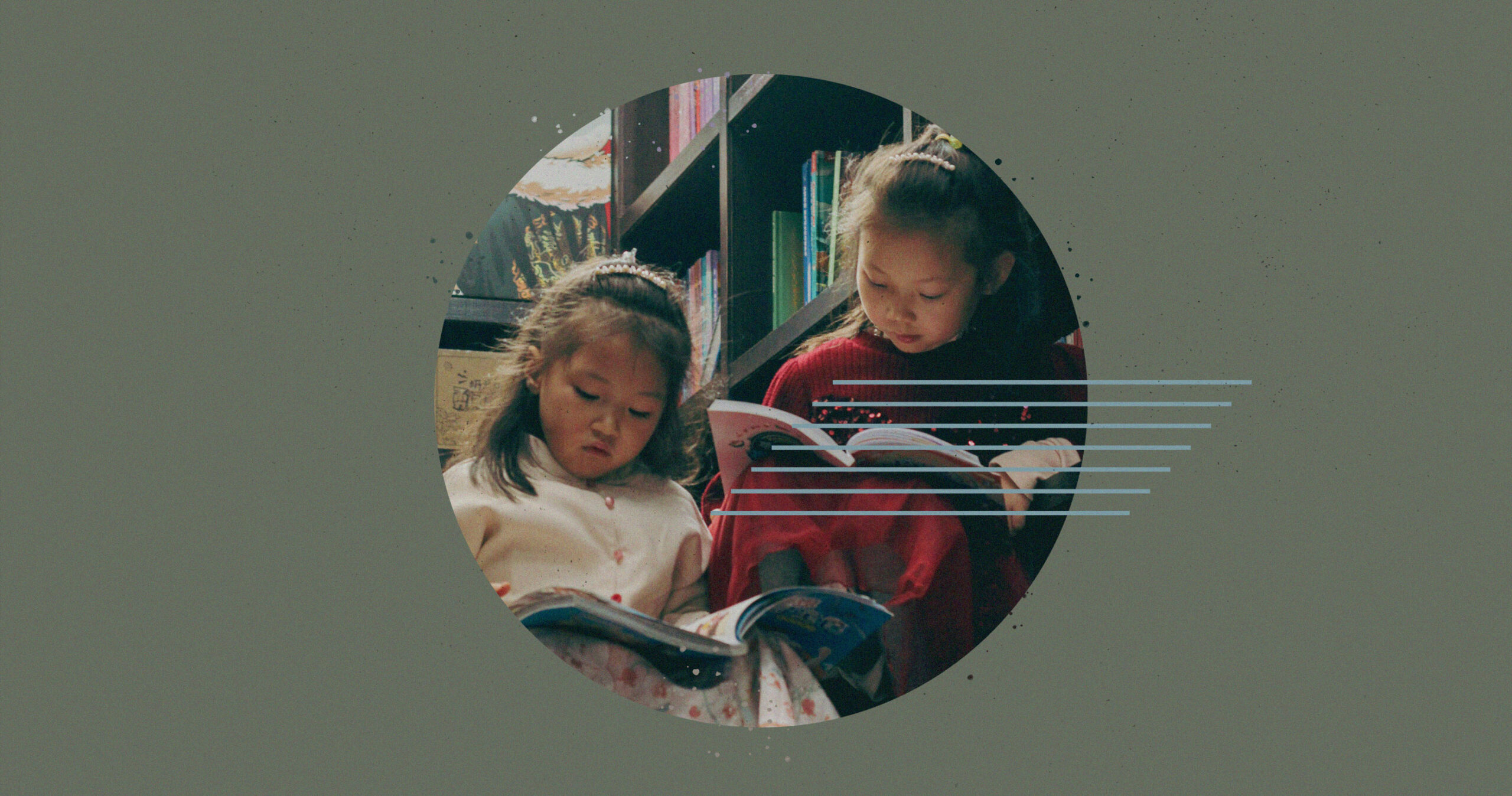
It’s probably no surprise that when children have access to books at home, they are more likely to read for pleasure and develop a broader vocabulary. Children who grow up in homes filled with books also tend to have better attention spans and greater academic success. Before becoming a children’s book reviewer, I had already built a home library of more than 750 children’s titles, and along the way, I made my fair share of mistakes while growing our collection. I want to share what truly helps parents build a beautiful, God-honoring home library for their children.
1. Be Realistic About Your Space
Thinking realistically about the amount of space in your home and the kinds of books you want to fill that space with can help in those moments when something appears to be a “good deal.” For example, let’s say you are at a garage sale while your children are young, and someone is selling their grown children’s book collection for pennies. Maybe you have ample space and can grab them all, or maybe you want to be more selective. If you came home with the entire collection, would your spouse feel as excited as you are about the good deal, or would they ask, “Where are we going to put all those?”
It’s easy to say you are going to add more bookshelves (which my poor husband has done for me many times), but is that what you and your spouse want for your home library, or is it simply happening by default because you came home with a truckload of books? Before you grab the deal of the century, make sure you and your spouse share the same vision for your home library.

In this concise guide, author Kathryn Butler and book reviewer Korrie Johnson provide discernment, practical resources, and thoughtful notes on some of Christianity’s most cherished children’s books to foster gospel-centered engagement and conversations with kids.
2. Establish a Standard for Books You Will Own
We want to make sure the books our children read, especially the ones in our homes, contain honorable, pure, lovely, and commendable themes. This doesn’t mean our children should never encounter characters who sin or make mistakes, but the way a book portrays those events matters. Does the book portray sinful behavior as it should and help our children see the folly of sin, or does it glorify sin and make it look appealing? Ask questions like, “What is the goal of this book?” “Is this a good goal?” and “Does the book achieve its goal biblically, if applicable?”
While we obviously want to exercise discernment with every book our children read, the books we keep in our homes should represent the cream of the crop, the ones we want our children to return to again and again. Having this conversation with your spouse can help you decide what receives a green light. Do both of you need to read a book before purchasing it, or is one enough? Do you love a certain author and want to own anything he or she has written? Do you prefer more flexibility so you can pick up books you haven’t read but have heard good things about? I recommend keeping a mix of fiction and nonfiction titles, as well as Christian and wholesome secular books, to help your children read broadly.
3. Don’t Skip the Classics
Many beautiful editions of classic children’s books will look lovely on your bookshelf, but owning children’s classics also practically encourages you to read them yourself. Whether you are well-versed in the classics or have never read one, I encourage you to leave room for titles that have stood the test of time. A few with overtly Christian themes include Heidi by Johanna Spyri, Robinson Crusoe by Daniel Defoe, and The Swiss Family Robinson by Johann David Wyss.
4. Make a List of Desired Titles
Once you establish a standard for the books you’ll add to your home library, keeping a running list of your most desired titles becomes very helpful. If you are like me and forget what your home library needs as soon as you walk into a book sale, this list can help narrow your focus. I recommend keeping the list on your smartphone so you can reference it when needed instead of leaving it at home.
Conversely, keeping a running list of the titles you already own can also prove helpful. While this may seem unnecessary because you think you’ll remember which books fill your home library, I have surprised myself several times by purchasing a copy of a book that already sat on our shelf. Granted, the larger the home library becomes, the harder it is to remember everything it includes.
5. Ask for and Give Books as Gifts
While growing your home library can require a financial investment, I love asking for specific titles as gifts. Adding a well-loved book permanently to your family catalogue gives your children a gift that will far outlive the toys with lights and sounds that you may (not so) secretly wish would run out of batteries. This creates a win-win for me as a parent because I can grow our library without spending extra money. For example, at Christmas our children receive three gifts from my husband and me: something they want, something to wear, and something to read.
We want to make sure the books our children read, especially the ones in our homes, contain honorable, pure, lovely, and commendable themes.
6. Think Beyond Your Children’s Current Stage
While your home library will likely grow alongside your children, it’s good to think about future stages and decide how far ahead you want to collect. For example, if you know you eventually want to read The Chronicles of Narnia with your children, but you currently only have a toddler and a newborn, should you grab the set if you find a good deal, or is it better to wait because of the size of your home?
Again, this is something to plan with your spouse. Still, I recommend looking at the titles on your desired list that you know you will want to own (even if they are years beyond your children’s current ages) and feeling comfortable investing in them early should a good deal fall into your lap.
7. Don’t Underestimate Seasonal or Special Interest Books
While most of your home library titles are books your family can enjoy at any time, selected books that only come out during certain seasons carry something special. For example, my children have very fond memories of the Christmas picture books we own and find great joy in rediscovering their favorites each year, even when they may seem “too old” for picture books.
Other unique titles can also hold special significance, such as cookbooks or interactive books. I have a daughter who enjoys baking, and we sometimes pull out a cookbook, snuggle up on the couch, and look through it together while planning our next baking day. My son spent years loving everything vehicle-related, and we invested in a high-quality interactive book with flaps, pulleys, spinning pieces, and more. While it wasn’t a typical title, he found so much joy in it for so long that it proved well worth the money.
Regardless of how you grow your home library, pursuing it is a worthwhile endeavor because it helps shape your children into lifelong readers who value books that point to all things honorable, pure, lovely, and commendable. “So whether you eat or drink or whatever you do, do it all for the glory of God.” —1 Corinthians 10:31
Korrie Johnson is the coauthor with Kathryn Butler of Stories Woven in Silver: Pointing Kids to the Gospel Through Children’s Literature.

Popular Articles in This Series
7 Tips for Confronting a Friend in Sin
Scripture speaks directly to the Christian’s responsibility to address or confront sin in the lives of other Christians.
7 Tips for Sharing the Gospel with Teens
Before teens can actually explain the gospel, they must first know it themselves. Then they must know how to articulate it.
7 Tips for Loving “Those” People in Your Church
What do you do with “those” people in your church—the ones who drive you crazy? If love at church were easy, how would that testify to the power of his saving work in our lives?
7 Tips for Keeping Your Cool When Your Kids Misbehave
Jesus came to make it possible for all kinds of people, including angry parents, to be changed into people who yield their expectations to God in service to others, specifically their children.
