Ways to Be Welcoming
If you’re thinking about a special needs family coming for the first time to your church, a family like mine is going to look at your church website before we even walk in the door, because we are not going to assume that you are prepared to meet the needs that we have.
And so put something on your church website—especially on the children’s ministry and the student ministry page. Talk about your accessibility options. Talk about what it looks like for a person with a disability to attend your church. What steps do they take? What information does the children’s ministry leader need to have to be prepared to welcome a child with disabilities?
Clear communication is kind. That’s one of the sayings at our church. And so how can we clearly communicate what they can expect? How can we invite them to clearly communicate the needs that their family member may have so that we can make sure that the child, while he’s with us, is safe and is successful so they have a good experience at our church? The front door of the church is the church website.

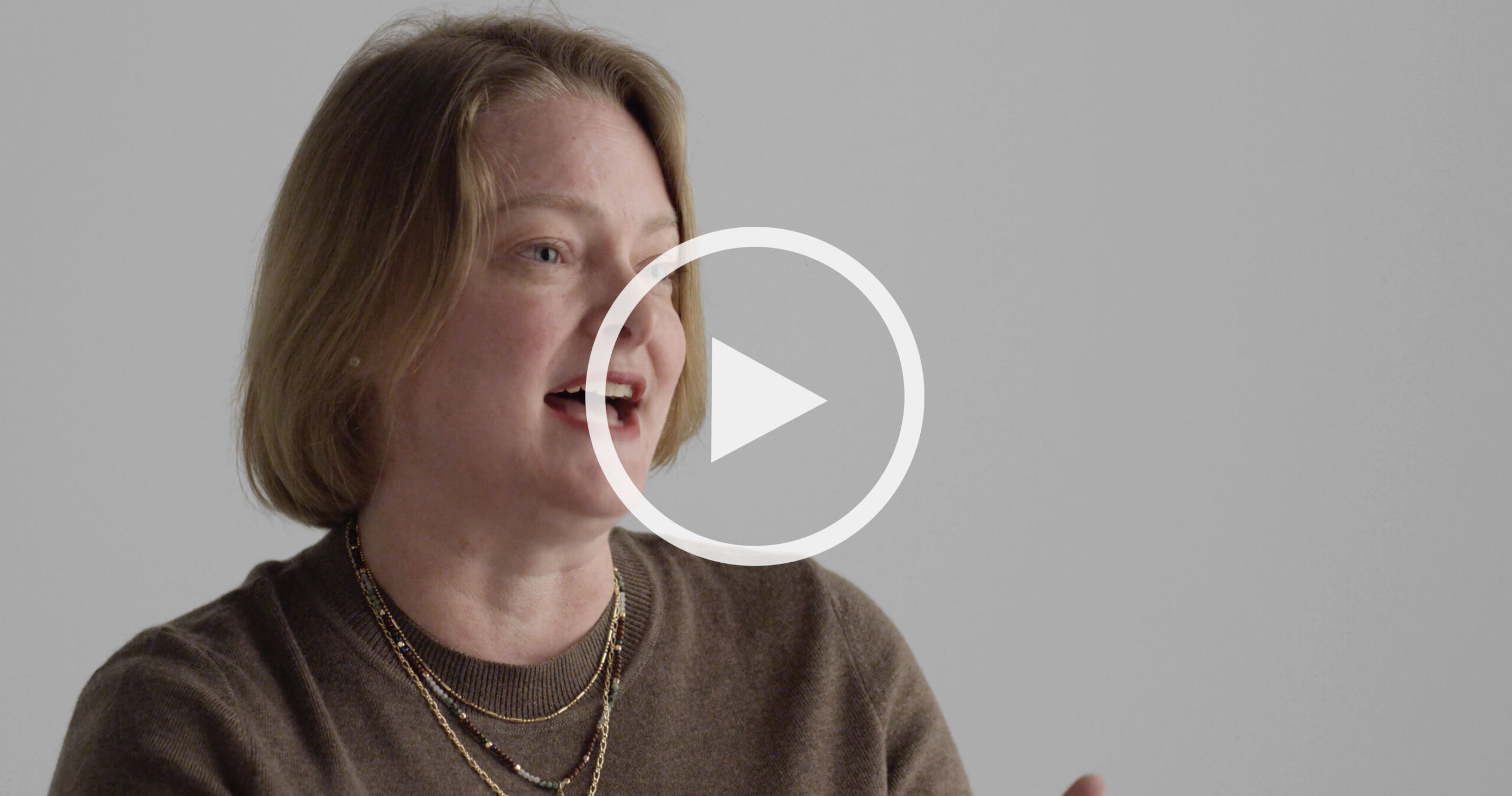
Sharing years of expertise and personal experience as a caregiver, ministry consultant and professor Sandra Peoples shows churches how to remove physical and social barriers to create a welcoming, inclusive space for disability families.
There are other things that we like to do at our church. One of the things that we do in the lobby is we have buddy bags. We have these bags with a sign that says, “Sensory Overload? Feeling Fidgety? Grab a bag on your way in.” And that bag has noise-reducing headphones, fidgets, and things that a child with autism, sensory processing disorder, or ADHD might need in order to be more comfortable in the worship service with us. And so just having that in the lobby speaks to anybody that comes through, and they see this is a church that welcomes people who are neurodiverse or people who may struggle to sit still, and they’re making accommodations for that. It’s a nonverbal way to welcome them. Just as soon as a family walks in the door, they see that they’re welcome there.
And then just an attitude of acceptance in a worship service. If a family has a member who is making vocalizations or they’re talking when everybody else is quiet, the worship pastor could say from the stage, Don’t we love to hear the variety of ways that people worship with us? Then that family doesn’t feel embarrassed or ostracized. They feel like, This is a place that welcomes me and wants me to be here.
And so all of those steps, from the website, walking in the door, and experiencing that worship service—all of these things can really make a family feel welcome.
Sandra Peoples is the author of Accessible Church: A Gospel-Centered Vision for Including People with Disabilities and Their Families.

